The January Return Trap: Why Holiday Deals Can Cost You After the Tree Comes Down

Photo: holiday shopping returns paperwork restocking fee receipt, via www.saga.co.uk
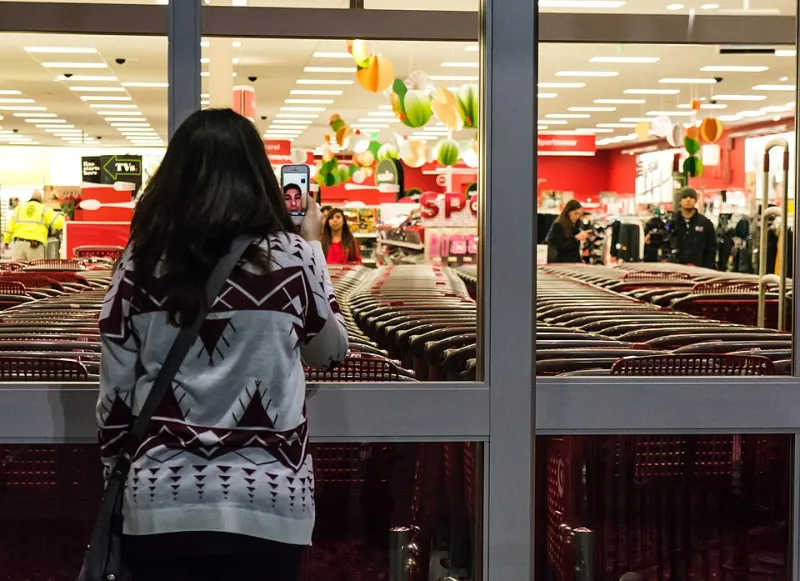
Holiday shopping has a way of making return policies feel like a safety net. The store extends the window, the cashier mentions a hassle-free return, and the checkout page practically pats you on the back. Then January shows up, the holiday grace period ends, and the same item suddenly has a restocking fee attached to it. That is the January return trap: a deal that looks safe in December can become expensive to undo in the new year.
Why the holiday return window feels bigger than it is
Retailers know that a generous return policy reduces hesitation at checkout. During the holiday rush, many US chains widen their return deadlines and temporarily waive fees on certain items. That is good news for shoppers, but the generosity usually comes with conditions. The extension may apply only to purchases made inside a specific date range. It may cover only items sold directly by the retailer, not marketplace sellers. It may require original packaging, all accessories, and a receipt. And it may disappear the moment the calendar turns.
The tricky part is that the return window you see in November is not always the return window you get in January. A purchase made on 25 November might have a 60-day holiday window that ends in late January, while a purchase made on 26 December might fall under the regular 15-day or 30-day policy. Some retailers pause restocking fees during the holidays and then reinstate them on 1 January. Others advertise an extended window but still charge return shipping or a fee for opened items. None of this is illegal. It is just buried in the policy page that most of us skip.
The three categories where January fees bite hardest
Electronics
Laptops, tablets, TVs, headphones, cameras, and drones are high on the list because they are easy to open, hard to resell as new, and expensive to process. A 10% to 15% restocking fee on a $600 tablet is $60 to $90. Add return shipping and the refund can shrink fast. The risk climbs when the item has been activated, registered, or updated. Some retailers treat an opened drone or camera as a used item even if it has barely been touched.
Furniture
Furniture returns are expensive because the boxes are large, the shipping is heavy, and assembly changes the condition. A sofa or desk may require original packaging, a freight pickup, and a restocking charge. If you assembled it, the return may be refused or charged at a higher rate. Holiday delivery delays make this worse: a piece that arrives in early January may already be outside the extended window, even though it was ordered in December.
Large appliances
Washers, dryers, refrigerators, and ranges often carry installation fees, haul-away fees, and return delivery charges. Once an appliance is installed or connected, some retailers will not accept a return at all unless it is defective. Rebates and promotional financing can complicate the refund too. If the deal depended on a mail-in rebate or a bundled gift card, returning the appliance may trigger a clawback.
Marketplace sellers deserve their own warning. A product sold through a big retailer's website may look official, but the return policy can belong to the third-party seller. That seller may charge a restocking fee, require return shipping, or offer only a partial refund.
How to read the fine print before checkout
Before you click buy, look for these details:
- When the window starts. Does it begin on the purchase date or the delivery date? A delivery-date policy is usually better for holiday gifts, but not every retailer uses it.
- Whether the holiday extension applies. Check the exact purchase dates covered and the exact return deadline. Screenshot the policy.
- The fee schedule. Look for a percentage, a flat fee, a minimum, or a per-item charge. A 15% fee on a $40 item is annoying; a 15% fee on a $900 laptop is a deal killer.
- Condition rules. Original packaging, manuals, cables, tags, and accessories may all be required. Missing a $20 remote can trigger a larger deduction.
- Who pays return shipping. A prepaid label is not always free. The cost may be deducted from your refund.
- Promo reversal. If you used a coupon, gift card, or bundle discount, the refund may be reduced or the promo may be reversed.
- Exclusions. Final-sale items, personalized products, opened software, hygiene products, and installed appliances are common exclusions.
- Seller identity. Confirm whether the item is sold by the retailer or a marketplace seller.
A simple pre-purchase checklist
Ask yourself seven questions before buying a gift you might return:
- Is this a category with known restocking fees?
- Does the holiday extension cover this exact purchase date?
- Have I saved a copy of the return policy?
- Is the item sold by the retailer or a third party?
- Will I keep the box and accessories until the return window closes?
- Does the discount still beat the fee if I have to return it?
- Is there a lower-risk retailer with a no-fee return policy?
If the answer to question six is no, the deal is not really a deal. It is a gamble with a known cost.
The deal math that matters
Imagine a $299 pair of headphones on sale for $239. That is a $60 saving. Now imagine a 15% restocking fee on the original price, plus $12 return shipping. The fee is about $45, and the shipping brings the total return cost to roughly $57. The refund is about $182, not $239. The original discount has almost completely disappeared. If you would have been happy to keep the headphones at $239, fine. But if you were buying them as a maybe-gift, the return path just ate the bargain.
The safest approach is to treat the return policy as part of the price. A slightly higher price with a free, simple return can be the better deal. A deep discount with a January fee is only smart if you are confident you will keep the item. Otherwise, you are not grabbing a deal. You are renting the thrill of a discount and paying for it later.